
I Need Your Clothes, Your Boots, and Your Motorcycle: The Future of Visual Search in Retail
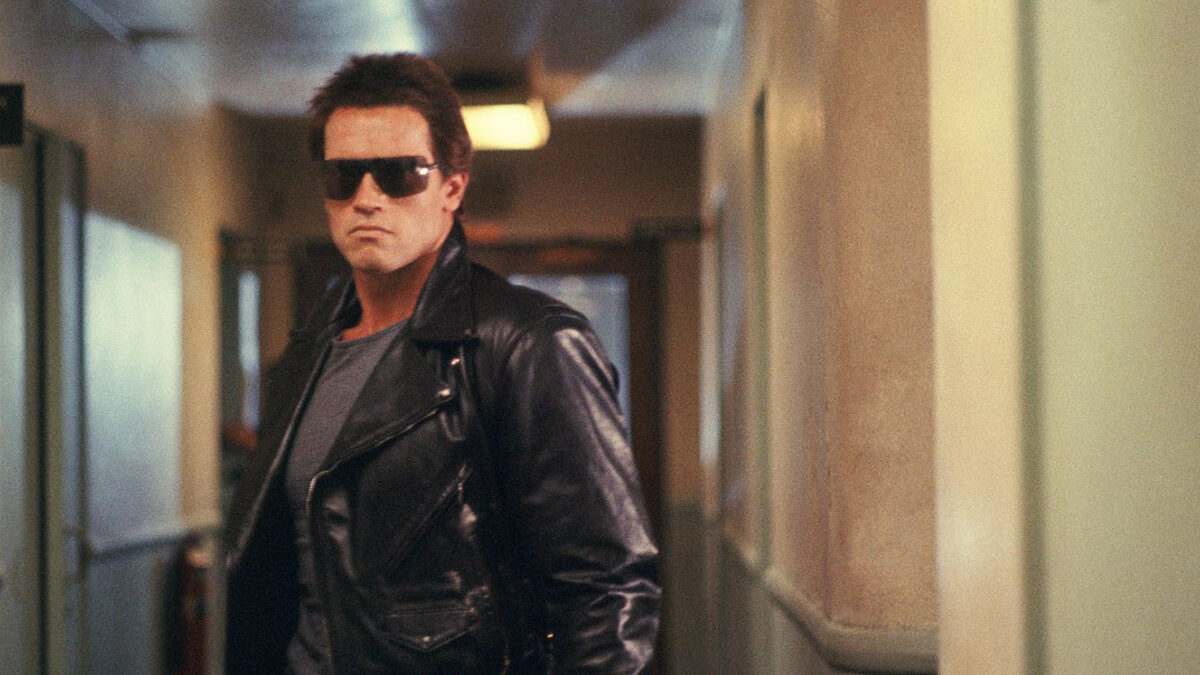
When the Terminator enters the bar and demands “your clothes, your boots, and your motorcycle,” he delivers an overt threat to his victims while covertly scanning for specific characteristics—shape, fabric, and size—to determine how they can be used to complete the mission. This is similar to how a shopper might lift a smartphone, take a picture of a jacket on the street, and then use a store app to find something similar.
There are many components working together to enable the shopper to accomplish this task. A retailer must first connect images to their corresponding metadata and inventory. They must then work with a computer vision development company to create a model capable of identifying different store elements—such as shelves, people, and products—without making the retail environment feel sterile or unappealing. Retailers can look to partners like N-iX, which combine expertise in computer vision and machine learning with experience in retail operations. This ensures that when cameras are used as additional eyes for staff and customers, they enhance the experience rather than becoming a superficial or purely decorative feature.
From red HUD overlays to real store cameras
The heads-up display (HUD) used by the Terminator suggests a world in which everything is pre-programmed, meaning that every object already has an assigned identifier. Retail environments, however, do not operate this way. Stores must contend with constantly changing lighting conditions, multiple collections per season, delayed shipments, and packaging variations. Visual search systems must also account for real-world complications such as folds in packaging (e.g., creases in cardboard boxes), reflections from glass or other products, the disorder of restocking end caps, and the unpredictable movement of shoppers throughout the store.
Recent studies suggest that this once-theoretical concept is rapidly becoming a reality. RETHINK Retail’s recent AI in Retail Report indicates that many retailers have already begun deploying visual systems, shelf sensors, and intelligent replenishment across fashion, grocery, and convenience stores. Additionally, 75% of these retailers plan to increase their AI operating budgets over the next two years.
Market trends further reinforce this shift. The global computer vision for retail market is projected to grow from approximately $4.2 billion in 2025 to nearly $10 billion by 2029, driven by increased investment in shelf analytics and loss prevention technologies.
What visual search changes in real shopping journeys
Visual search is quite playful at first glance since it begins with pausing a film, taking a picture of a white sneaker, and using an app to find matching sneakers. However, the important thing to note is that once visual search begins, the retailer is no longer dependent on the shopper knowing what the brand name is, the model number, or very specific fashion terms when making their search.
With a solid foundation, typically provided through a partner with strong vision-based computer vision development, retailers can support three connected journeys:
- Product discovery in applications and websites. A shopper can upload an image or simply use the live camera view, then they will receive a similar match, a very close style, and options to purchase all in a matter of seconds. The shopper's search starts when they see an object (in this case, sneakers) instead of guessing what the object is called or what combination of words represents them.
- Store support. Store employees can scan an unreadable tag, a customer's reference image, or display a floor fixture and can immediately see if a size is available, the colour is available in other styles, and what other items are in stock in the store, using the same app as the shopper to assist with product searches.
- Loss prevention and shelf analysis. Cameras are able to detect whether something is hidden or being removed without being scanned and will provide data to help adjust the store's compliance for display size and empty spaces so that store employees can make layout adjustments based on data rather than using instinct.
All of these journeys are based on the same foundation of quality structured catalog data, a sufficient number of quality photos reflecting the true state of the store environment, and models through which the catalog data is being retrained for seasons and/or format changes. This is why retailers are searching for a computer vision development company that is capable of handling both the technical aspect of the vision-based computer sciences as well as assisting with the change management process.
How a computer vision partner works with retailers
Behind every successful “point-and-find” (PF) feature, there is a significant amount of work that the average shopper does not see. A mature visual intelligence (VI) partner will typically follow a structured approach when working with retail clients, moving along a clear path from initial concept to broader rollout.
The process typically begins with the identification of a use case. Teams do not simply pursue every compelling demo they encounter; rather, they identify one or two scenarios for which they have both a strong business justification (e.g., low on-shelf availability or difficulty locating complex apparel) and clearly defined goals that reduce unnecessary feedback cycles and overall project risk.
Once the use case is defined, the partner designs camera placement, establishes data selection criteria (e.g., how many images are required), determines appropriate shooting angles and image quality standards, and defines labeling protocols. The partner then develops and trains models, tests for failure points, and executes small pilot programs in a way that does not disrupt normal retail store operations.
Practical steps for leaders who want visual search now
Although the Terminator analogy has meaning for retail leaders who’ve been through this themselves as children, there is no shortage of retailers who will require a grounded plan and reliable processes. One solid place to begin is to focus on tangible, replicable scenarios.
Begin by selecting a flagship journey in which you believe visual recognition will eliminate friction. For example, visual recognition can help with size/fit for apparel, perfect match searches for parts, or providing an in-store experience for home goods. Once you've chosen your flagship journey, determine a specific measure to track that aspect of the journey (e.g., conversion rates, attachment rates, or average handling time on support requests) and keep your discussions centered around that metric.
Next, perform an audit on the visual assets needed. Determine the number of items with up-to-date images that provide multiple views of a product, how often packaging or designs have changed, and measure the current accuracy of visual attribute tags to ensure they represent the product correctly. Although there are other companies available to help retailers clean up catalogs, it is the retailer's responsibility to maintain their original data and establish appropriate practices for updating it frequently.
To make sure that employees have a say in the changes made to their stores and to encourage them to use visual search as a tool that helps with their jobs rather than criticizes their work, retail chains should conduct short training sessions that show how front-line employees perform specific tasks and how those tasks are made easier when they are augmented or assisted through camera systems, allowing employees to develop trust in the technology and provide feedback to designers about potential “edge cases” or design flaws that may not be easily depicted on paper.
Prior to turning the cameras on, retailers must disclose to consumers and employees company privacy policies and obtain the necessary consent in order to ensure that retailers comply with all local, state, and national privacy laws, and that retailers make every effort to comply with applicable law when deploying visual search technologies for their employees or customers.
When all of the above are aligned, then the distance from science fiction to reality is shortened. There was no connection between the machine in The Terminator and the person it targeted for clothing, boots, and a motorcycle (i.e., the machine did not use context or build rapport with the individual) or vice versa. Retailers can achieve the same level of accuracy and recognition in helping customers be more confident and successful in finding what they need with a minimum of friction.

