Economies of Scale in the Cruise Industry: Why Bigger Ships Mean Better Deals
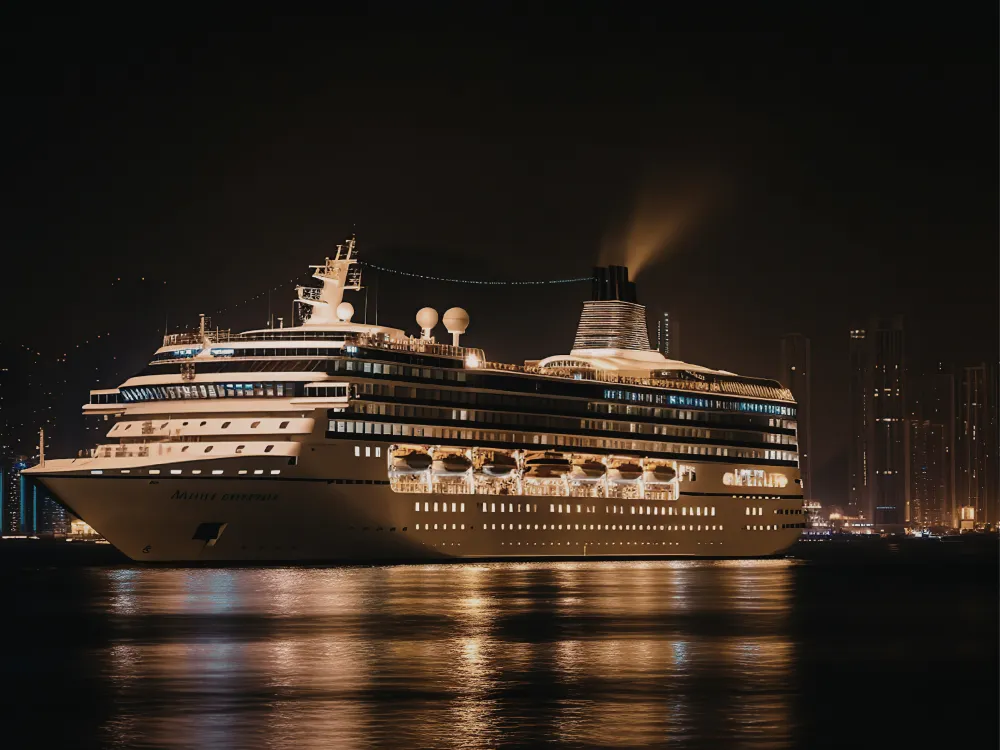
Have you ever noticed that a seven-night cruise can cost less than a week in a decent hotel? The reason for this is simple: cruise lines are massive. The bigger the ship, the more passengers share the costs. This means everyone on board can benefit from better deals.
It’s a concept called economies of scale. And, once you understand it, cruise pricing starts to make a lot more sense.
What Economies of Scale Mean in the Cruise Industry
Economies of scale mean that as production increases, the cost per unit falls. In cruising terms, each “unit” is a passenger.
A ship burns fuel and pays its crew whether it’s carrying 2,000 guests or 6,000. But when you spread that same cost across more people, each person’s piece of the bill gets smaller.
Why Cruising Is Uniquely Suited to Scale
A cruise ship is a form of transport, hotel, restaurant, and entertainment venue all rolled into one. This means fixed costs are high. Still, getting more passengers on board doesn’t really add much to what’s already being spent to keep everything running.
The infrastructure is already there. Filling the cabins is where the financial logic kicks in.
How Bigger Ships Lower Costs Per Passenger
Fuel is one of the biggest expenses for any cruise ship. The fuel required to move a cruise ship depends mainly on its size and speed, not how many cabins are filled. This means that adding more passengers changes fuel costs far less than it increases revenue.
Crew wages, port fees, maintenance, and insurance work the same way. On a ship carrying thousands of passengers, those costs get spread across far more people than a smaller ship can.
Cruise lines such as Royal Caribbean and MSC have deliberately built larger ships because the per-passenger economics improve at scale.
Food, Entertainment, and Infrastructure Efficiencies
Buying enough provisions for thousands of people a day gives cruise lines serious purchasing power. Ingredients and supplies are sourced in bulk at rates that most hotels couldn’t come close to.
If there is a central kitchen on board, all of the restaurants are served from one space. The theatres also run the same shows for weeks.
These kinds of repeatable systems explain why offering passengers more on-board options adds relatively little to operating cost.
Why These Savings Translate Into Better Deals for Guests
Because big cruise ships operate so efficiently, lines can offer competitive cruise deals without having to strip back what matters.
The quality of the cabins and included meals are two of their strongest value propositions. The savings that are generated at scale also get passed along through fares that are hard to beat.
More Inclusions for the Same Price Point
This is where the value shows up.
A large ship might offer 10 dining venues, multiple pools, live entertainment, and dedicated spaces for every age group, wrapped up into a fare that competes with a standard beach resort.
The headline price might look similar to a smaller cruise, but what you get for it is a different story.
If you want to understand how cruise lines price their tickets while still bundling in so much, this breakdown of how cruise ships make money explains it in detail.
Who Gets the Most From a Bigger Ship
Bigger cruise ships work well for families and groups, where the variety on board caters to everyone without much effort.
For travellers who want a more personal feel or access to smaller ports, the per-passenger savings matter less than the overall experience. The best deal isn’t always the cheapest one; it’s the one that fits how you actually want to travel.