
Student Employment and the Economics of Labour Supply
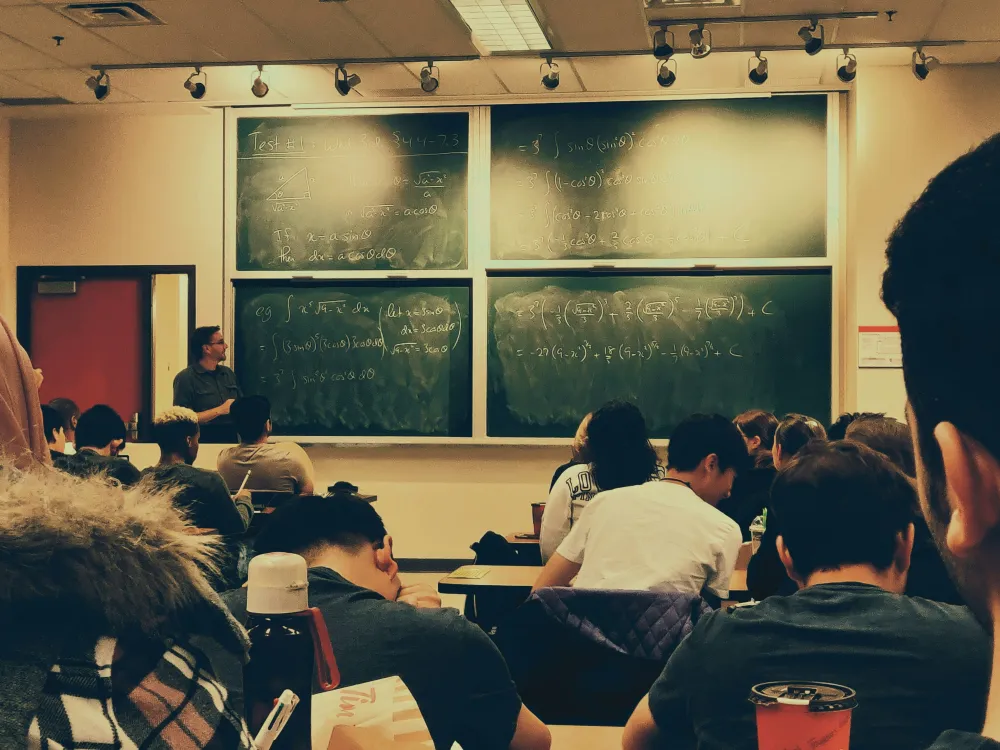
There are a growing number of students who are using free time to earn an income, supplementing their maintenance loans. Fast-food outlets offer the kind of hours that allow flexibility for both employer and employee. It is not uncommon for students to have their workwear on underneath their hoodie, for example, since they travel directly from the end of lectures directly to work.
From an economic perspective, this trend reflects a tightening budget constraint faced by students. As living costs rise relative to available income, individuals are incentivised to increase their labour supply in order to maintain consumption.
Allowing for a modicum of a social life, the Higher Education Policy Institute (HEPI) surmises that a student may need £61,000 over a three-year degree to complete the course. The body suggests that the maintenance loan will cover just half the costs faced by freshers. They say that the loan falls short by, on average, by £502 per month.
This behaviour can be further explained through the income effect and the substitution effect. As students experience a reduction in real income, they are more likely to work additional hours, even when this reduces the time available for study or leisure.
Due to these unmet financial commitments, students often take jobs and many are working up to thirty hours per week. This is in addition to any aid or support they receive from family or relatives. They fully understand that working will mean less time to study; however, students feel they have no other option than to work to pay their bills.
Many students who get a government maintenance loan of £4,915 will not receive enough to pay for their accommodation as the average cost for rent is almost £8,000 each academic year. If they do get lucky, some have got support from their families for accommodation and therefore can use the loan for buying food, travelling to/from university, and buying other items needed to study.
Extracurricular activities also usually add up to be further expense i.e. having a social life costs a lot of money, there are lots of sports and hobbies available at university and there are also times when you will want to go to the student union bar to catch up on the day's news.
Many are finding that when starting to work after leaving high school, they are now working more than anticipated. Working thirty hours can mean working until your bus service ends so will need to pay the cost of a taxi home too. In turn, this means that they are generally not getting very much sleep due to the fact that some students start their lectures at 9 am the next day.
The concept of opportunity cost is demonstrated through this trade-off. When you work, you spend time not developing your human capital (academic success and/or experience), which can affect your future earnings.
Some of the positives from working tend to be negated by additional issues. Missing out on internships because of time constraints caused by academic courses is a common example, particularly for those courses related to law.
The government of England/Wales/Northern Ireland has made changes in the last year to increase the maximum amount that students can borrow. The amount you can borrow outside of London has risen to £10,544, which will be based on your income calculation.
According to Hefi, part-time employment among students has again grown significantly since 2015, with 68% to date; in 2015, only 35% were employed part-time at the time of the survey. Due to time pressures, many students attend lectures in their work uniforms.
Many second-year students are also considering whether they will be allowed to continue living in student housing or whether they will need to obtain a rental property on a day-to-day basis due to transportation costs, and many will likely continue to attend their local university to commute to school from home in the future.
The increase in part-time employment among students is a demonstration of how economic constraints influence students' labour supply decisions. While working provides students with short-term financial assistance, it may impact their long-term skills development and earnings.
