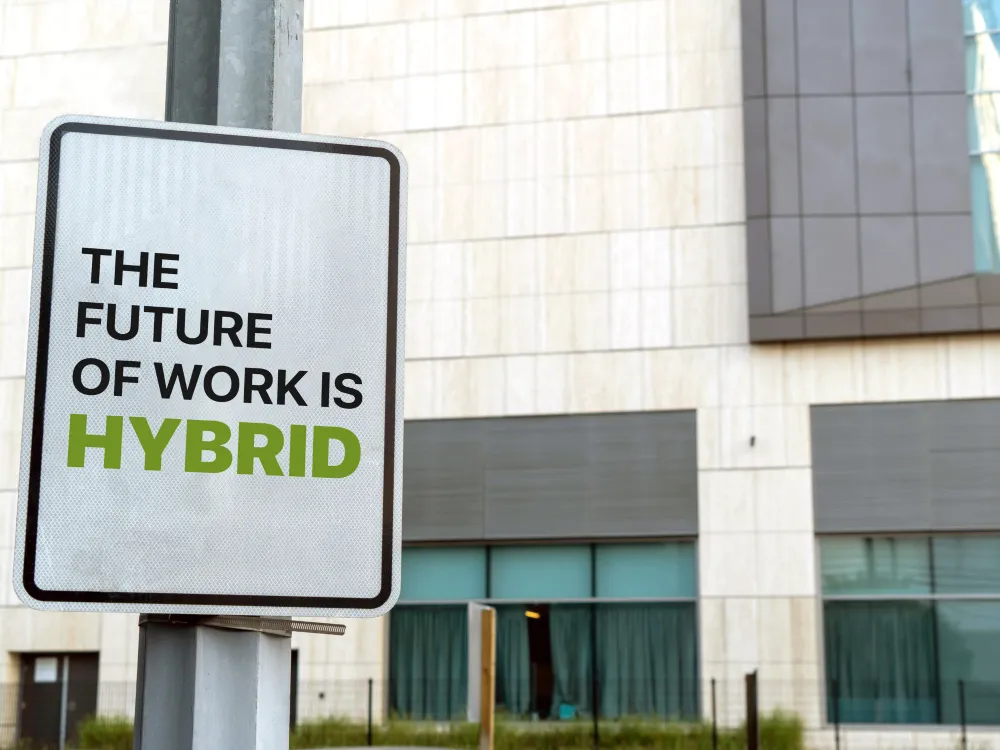
Understanding Hybrid Working in London: An Educational Guide for Modern Workplaces
Hybrid work is one of the biggest changes happening in London today with regard to how companies are using their workforce and how companies have made this a priority. Many companies are no longer strictly utilising remote work as an exclusive option or as a complete replacement for office work. Instead, many employers are now taking advantage of both types of employment in order to better balance their staff’s productivity, flexibility, and well-being.
From an economic perspective, hybrid work has also created a more fluid and dynamic relationship between the costs associated with commuting (i.e., travel time to work, etc.), workplace productivity, and how labour is allocated within large cities.
This article explores what hybrid work truly looks like; why hybrid work has experienced such explosive growth throughout the City of London; and what types of work environments are being created to truly support the hybrid work model.
What Is Hybrid Working?
Hybrid working is a framework that allows employees to work partially from their homes (teleworking/remote) and partially from a corporate office location. By supporting remote employees’ efficiency and effectiveness through less time spent in the office and declining office costs, companies can retain the advantages of office-based collaboration and coordination while reducing expenses and other negative aspects of working in an office full-time.
Multiple hybrid models exist, but some organisations set fixed days for working from the office while allowing employees flexibility to work where they choose based on their job functions or work tasks. There is no simple way to adopt hybrid working, as organisations differ in structure, job functions, operational requirements, and workforce preferences. Organisations whose hybrid arrangements create the most overall business success (high revenue) have reduced hybrid work-related coordination costs while maintaining productivity levels and accountability within their teams.
The Rising Trend of Hybrid Working in London
1. Greater Flexibility and Work-Life Balance
With long commuting distances, along with the high cost of living in the City of London, it is clear that London places significant commuting and living expense pressures on its workforce. By reducing the number of times people need to commute to their workplace through hybrid working, employees can allocate more time to productive activities as well as personal responsibilities. For organisations, this means greater participation in labour force supply and improved employee retention.
2. Productivity and Task Matching
Remote work is best suited for focused, independent tasks, while employees in an office setting are better positioned to collaborate and solve problems together. Hybrid working models allow companies to utilise the right working environment for each type of task, therefore maximising productivity without increasing the amount of labour performed.
3. Wellbeing and Labour Market Inclusion
By assisting individuals with long commutes, health challenges, or parenting obligations, hybrid working supports expanded participation in the workforce. From an economic standpoint, hybrid work opportunities increase the potential pool of available workers and reduce barriers that prevent individuals from obtaining employment.
4. More Efficient Use of Office Space
With fewer employees in the office at the same time, companies can conceptualise the office as a shared coordination hub rather than assigning each employee a dedicated workspace. As a result, expensive urban real estate is used more efficiently, allowing for more cost-effective and flexible workplace design.
What Hybrid Working Means for London’s Offices
The introduction of hybrid working has fundamentally changed how offices operate within the City of London. Rather than being viewed simply as places for daily attendance, offices now serve a central role in bringing employees together for collaboration, communication, and organisational culture building (i.e., they are no longer just a requirement for daily attendance).
The following characteristics are commonly found in hybrid-oriented office spaces:
- Quiet or focused work areas
- Collaboration spaces and meeting rooms
- Flexible desks or hot-desking systems (i.e., shared workspaces)
- Informal areas for breakout and interaction
- Technology that supports video conferencing and collaboration for remote work
- Features that promote health and wellbeing, such as natural daylight and greenery
As a direct result of this shift, many companies are redesigning existing office layouts to accommodate new working behaviours rather than simply constructing additional office space. This has driven increased demand for London office fit out and refurbishment, as organisations seek to adapt their current premises to better support collaboration, flexibility, and efficient space utilisation under hybrid working models.
How Can Businesses Make Hybrid Working Effective?
Businesses may benefit financially from offering hybrid work arrangements; however, expectations and structures must be clearly defined.
- Provide clear expectations – Employees should understand scheduled working hours, availability, and responsibilities. Clear communication reduces coordination costs and increases employee efficiency.
- Provide access to reliable technology – Hybrid working relies on stable digital communication systems and proper access to necessary tools. These should be treated as operational requirements, not optional benefits.
- Support organisational culture – Because employees’ physical presence will not always be in the same location, organisations must intentionally maintain shared norms and values through inclusive interactions and decision-making.
- Design workspaces with purpose – Offices should facilitate collaboration while allowing privacy when focused work is required.
- Maintain fair and transparent policies – Hybrid arrangements should be applied as consistently as possible to promote trust and cohesion across the workforce.
The Outlook of Hybrid Working Within the London Market
Hybrid employment is now an option in the employment market and is also a permanent part of the labour market within the UK.
Organisations that integrate hybrid working into operational and financial planning can improve their ability to attract highly skilled workers, increase productivity, and support the ongoing transformation of London’s urban economy. Hybrid working is likely to remain central to workplace structure and the organisation of economic activity across the capital as London continues to evolve as a global urban centre.