

Photo by Dare Artworks / Unsplash
Zero-Marginal-Cost Imagery: When Stock Photos Become (Almost) Free
Economic Principle: Cost Structure of Information Goods and the Concept of Perfect Competition
For many years, businesses have depended on stock photo libraries as well as freelance designers and agencies to create even the most basic of visual assets such as headers for their blogs, banners for e-commerce sites, mockups for products, and backgrounds for advertisements. All of these required the investment of time and many rounds of feedback between the client and producer before an asset was produced, and this was in addition to any licensing fees for using these assets. All of this was frustrating for businesses that needed images, not because of poor workmanship, but because the image producers were using an inefficient model of production in which every new image would incur costs for human resources and coordination, as well as substantial costs in producing these new images.
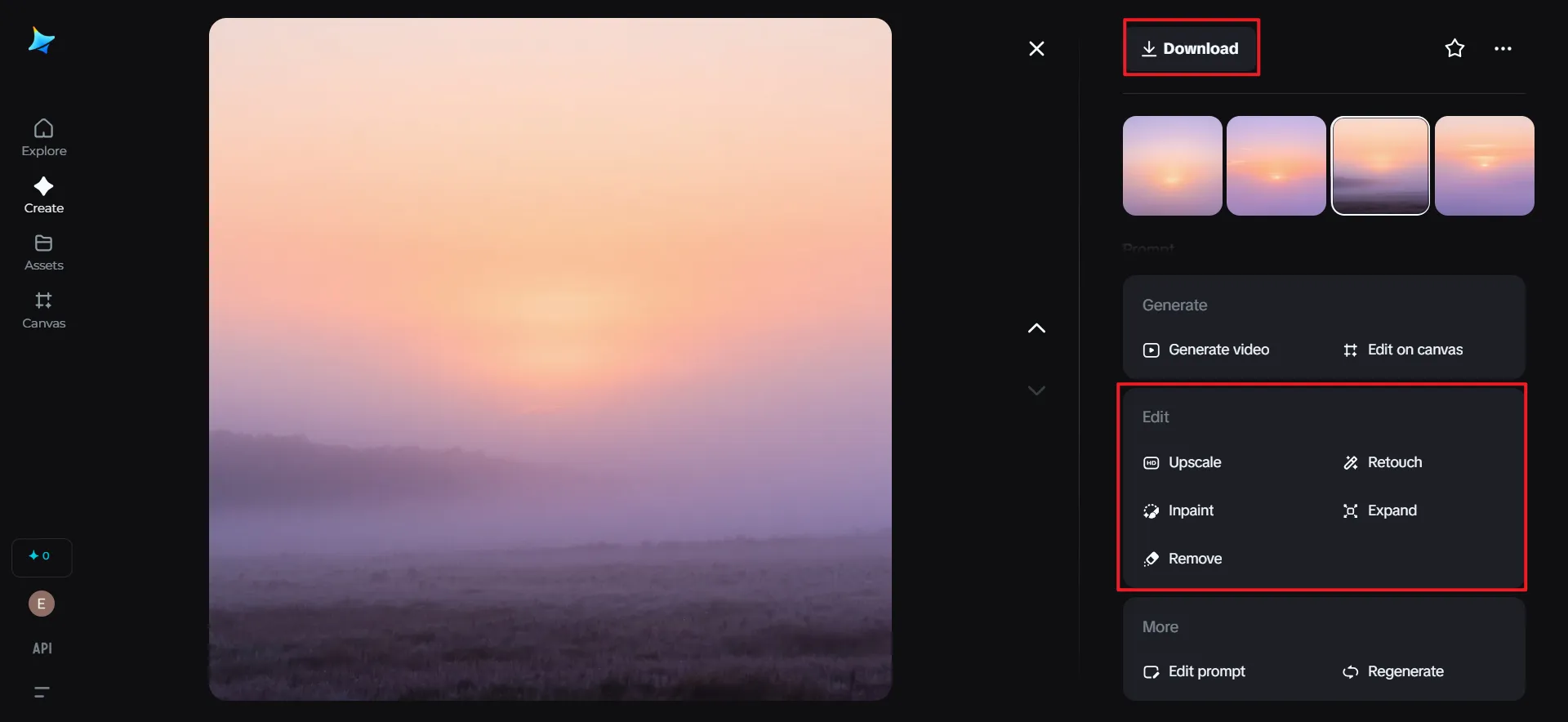
With the rise of new AI image generation technology and the widespread availability of AI image generator tools, the business model that required significant marginal costs to produce additional images has been completely restructured so that the cost of producing an additional image approaches $0. The economic ramifications of this transformation are significant given that for a large portion of the industry, the pricing structure has historically been based on scarcity and incremental licensing.
The Diminishment of Marginal Cost
Within a typical microeconomic framework, images, music, software, etc., are classified as information-based goods that have a generally high degree of fixed costs and low marginal costs to produce. For example, producing an artificial image requires a considerable amount of resources in computational power and model training to produce the first image. Still, the next one (and every one thereafter) requires nearly zero resource investment.

Historically, stock image websites have contravened this general structure by charging fees that are inflated because they treat stock image fees according to the continued marginal cost (exceeding in some cases as high as $10, $50, and upwards of $300 per stock photo). The licensing limitations create additional barriers to image use, including limits on image resolution, use limitations, package credits on a monthly basis, and surcharge fees for extended licenses.
Using AI to create images, however, changes this dynamic significantly. From a pure economic standpoint, the marginal cost of creating an additional image using an AI-generated image creator will trend towards a micro-amount.
This transformation creates a new class of images that has moved from being considered an "artificially scarce" class of good to being characterized as a "free resource," which will affect the picture markets' competitive characteristics as well.
Why Traditional Providers Struggled
There were multiple reasons for structural inefficiencies of the traditional provider system.
High Cost Per Unit
Every photo and graphic required significant human involvement and therefore, the price for stock libraries was based on this. As an example, in 2019, Shutterstock charged $19–$49 per premium image.
Slow Turnaround Time
The time it took to complete a custom graphic request varies greatly. According to a Fiverr report from 2021, the average turnaround time for small-business design requests was 2–6 business days.
Quality Variation
Both stock and custom designs created by humans will always create a range of quality between the designs that are delivered. Therefore, many businesses have paid to have stock photos or graphic designs revised, remade or replaced.
Coordination Overhead
The large volume of email communication, contract terms, licensing issues and multiple feedback loops created a structure that simply could not manage or scale efficiently.
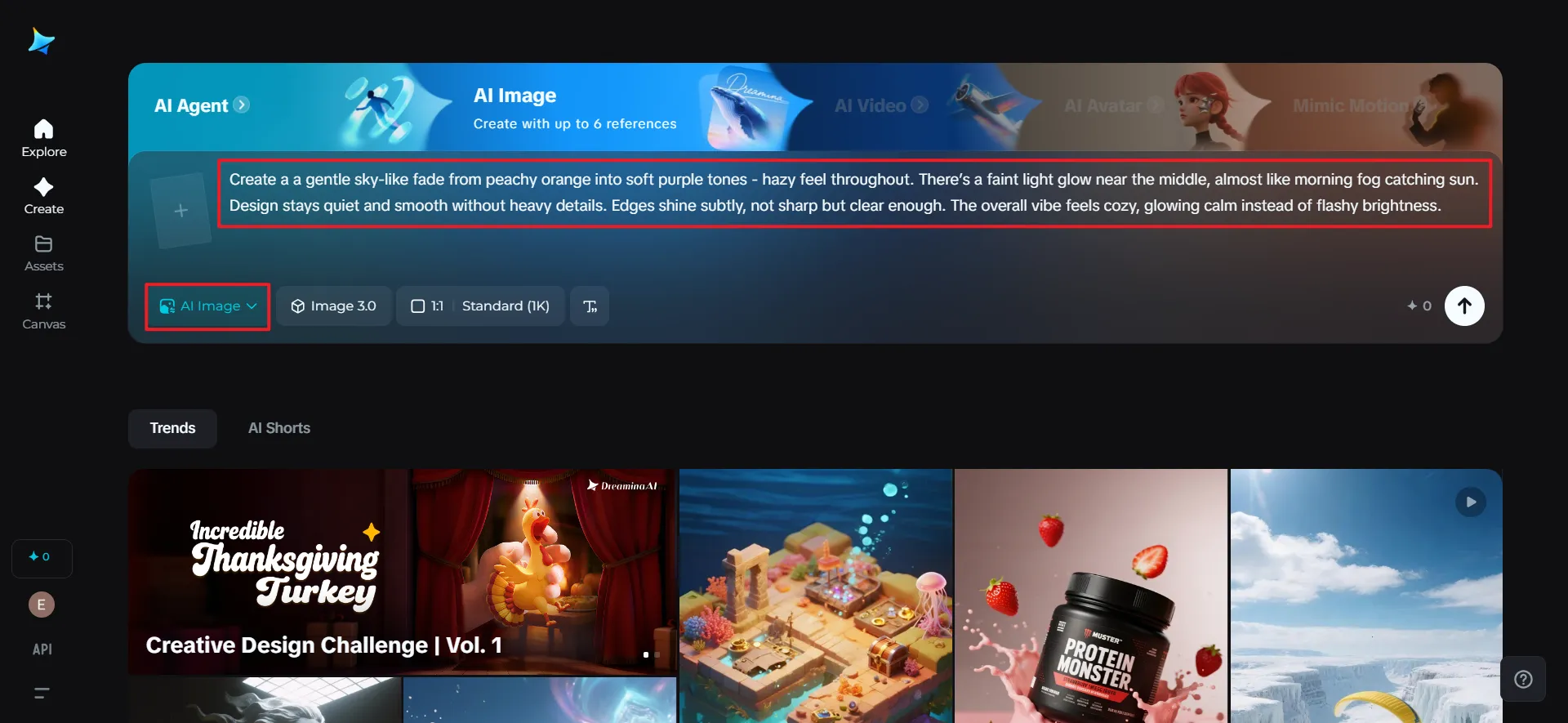
For many small businesses, the cost and uncertainty associated with the inefficiencies of this old structure were unacceptable.The AI solution creates one model that is capable of producing infinite outputs at an instantaneous rate.
Perfect Competition: Generic Image’s Final Destiny
An economist views a perfectly competitive market as one with:
- Homogeneous products
- Price-taking producers
- Marginal cost equals price
- Zero economic profits in long-term equilibrium
The emergence of AI-generated imagery pushes the generic image marketplace ever closer to this theoretical limit:
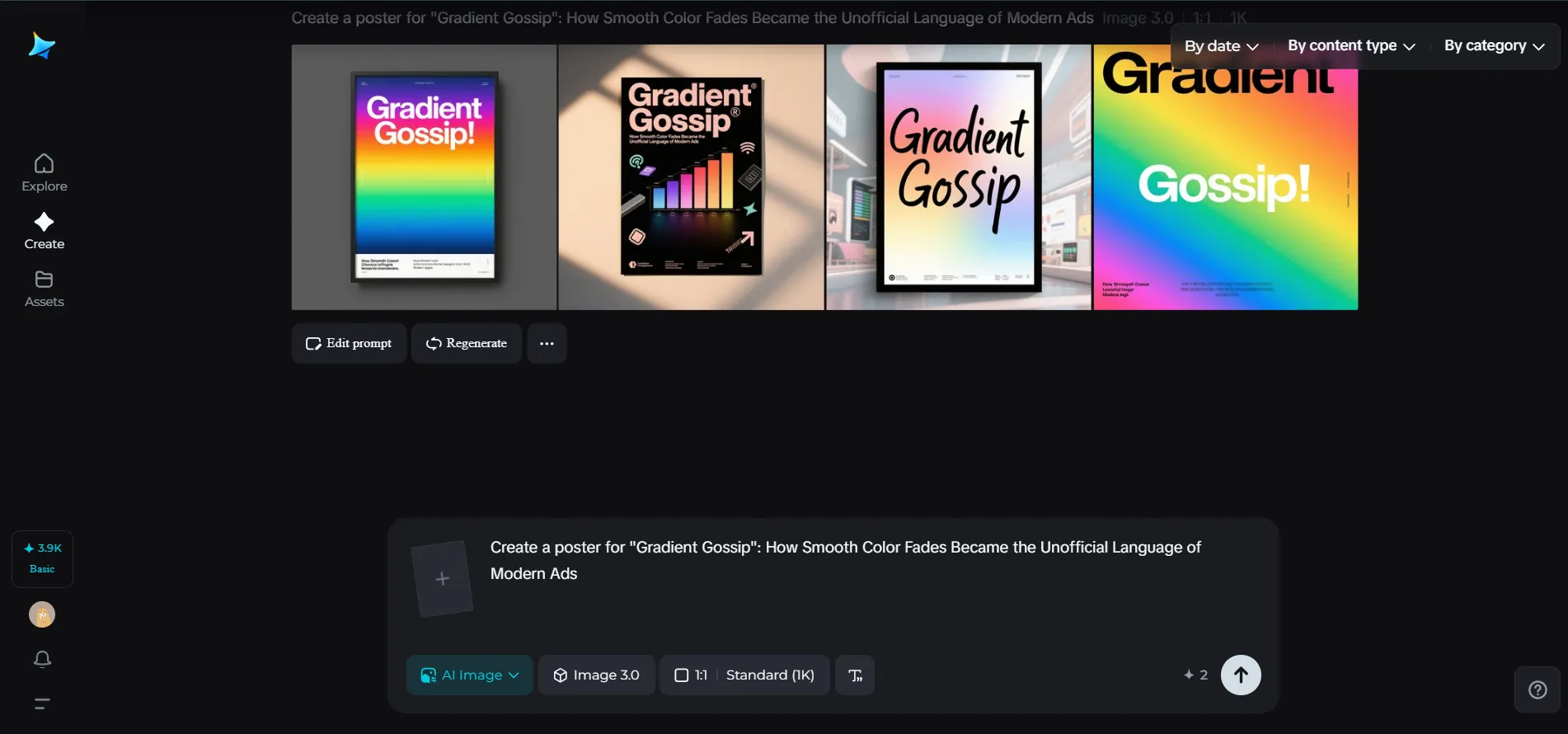
- Regardless of the user, there is now an infinite ability to generate multiple variations of “women typing on laptops,” “warehouse workers carrying parcels,” or “backgrounds of sunsets.”
- The supply of images will be infinite.
- Therefore, the price of images will approach zero.
- One producer cannot control the price.
Thus, the traditional stock photography industry, which relies on commodified scarcity and licensing, is being challenged.
Gains and Losses of Welfare–Producer Surplus
Increasing Consumer Surplus
A large amount of welfare gain has resulted from the dramatic rise of consumer surplus.Companies are benefitting greatly from:
- Instantaneous image creation
- High level of customisation
- Large number of variances
- Almost nonexistent marginal cost of producing an additional unit of a good
- No licensed material required to create generative images
According to a study conducted by Adobe in 2024, the use of generative imagery could allow visual assets to be created up to 98% faster than they could be created in the traditional way.
Decreasing Producer Surplus
Producers who supply stock photography and other low-skill design services have experienced:
- Decreased demand for such products
- Decreased prices
- Decreased bargaining power of producers
- Decline in traditional workloads
This is an example of Creative Destruction at work: although some industries have declined and even transformed, the overall efficiency of the marketplace has increased.
What Is Happening
The following forces are driving the current state of affairs:
- Computational Scale: The increased power of GPUs and increased rate of model compression have reduced costs and made it easy for end users to produce generative images.
- Data availability: Data availability has facilitated the creation of versatile and flexible-generation models.
- An Easy-to-Use Interface: Users need no knowledge of design principles to create generative images—creating generative images is as simple as providing prompts to the model.
- The Globalisation of the Internet: The growth of the demand for visual representations of products has been met by the availability of AI tools to meet this demand.
The economics of these processes were made inevitable as computational power and model performance crossed a threshold.

Conclusion
AI image creation is not just a new way to create images; it is a new way to create a market for images.
Historically, stock photographs represented the most expensive and least reliable type of imagery. With the advancement of artificial intelligence, however, customers now have access to a virtually unlimited supply of low-cost, custom-made, and easy-to-obtain images. This change represents a new level of freedom for business owners; however, it presents a challenge to legacy service providers that were founded on older methods for producing images.
When viewed in terms of marginal costs and market structures, this is one of the most significant real-life transitions occurring from a high-marginal-cost creative industry to a zero-marginal-cost information marketplace. The economic implications of these changes will be enormous.

