The Productivity Paradox of Remote Work Many white collar employees love working from home, but many employers feel that they are not getting much bang for their buck. Why is this the case, and what could be done to improve productivity in this remote work era?
The Sharing Economy’s Hidden Costs: From Access to Precarity Smartphones and apps have made access to services simpler and more convenient than ever. But hidden risks exist for both workers and customers, with independent contractor status meaning workers assume high risks and customers may have little recourse.
The Economics of Creator Burnout: When Attention Becomes a Depleting Resource Why do so many popular online influencers soar to fame and then virtually vanish, going from vitality to obscurity in months? The economic Law of Diminishing Marginal Returns explains why viral creators quickly lose their luster.
The Sharing Economy’s Hidden Costs: From Access to Precarity Smartphones and apps have made access to services simpler and more convenient than ever. But hidden risks exist for both workers and customers, with independent contractor status meaning workers assume high risks and customers may have little recourse.
The Economics of NFT Scarcity and Digital Ownership For a few years, NFTs were all the rage and could sell for millions of dollars. What are NFTs, how did they work, and what are the economic principles behind their rise and fall in the early 2020s?
The Subscription to Everything Economy More and more digital services, from entertainment to navigation, are becoming subscription-based. Why the trend toward subscriptions? And what are some dangers of rampant subscriptions that consumers should watch out for?
Behavioral Nudges in Sustainable Consumption How can sellers convince customers to pay more money for options that are better for the environment? A look at behavioral nudges and why companies would be willing to use them in an effort to promote sustainability.
The Economics of Algorithmic Curation in News and Media Today, most social media platforms allow for continuous scrolling of content. Algorithms determine which posts and videos we see next, based on our past engagement. What are the economic implications of these algorithms determining what we see?
The Gig Economy of Cloud Kitchens When you open a food delivery app for a meal brought straight to you, do you ever see brand you don't recognize? These are likely ghost kitchens, which exist without storefronts. How do they operate, and why have they become so popular over the last decade?
The Economics of Quiet Quitting: Labor Supply Meets Workplace Incentives In recent years, the phenomenon of "quiet quitting" has risen among younger Millenial and Gen Z workers. They don't leave dissatisfying jobs, but instead resort to doing the bare minimum. What has happened, and why?
The Attention Economy and Cognitive Scarcity We can't pay attention to everything, so sellers will pay good money to win our attention to their advertisements. This has led to the rise of social media influencers, who are paid to draw our attention. Has this led to economic harms from our eroding attention spans?
Dynamic Pricing in Sports and Entertainment Over the past decade, dynamic pricing has expanded as we purchase everything from food to transportation to entertainment online. When variables change around us, sellers can raise or lower prices to maximize revenue given our fluctuating demand. Is this ethical?
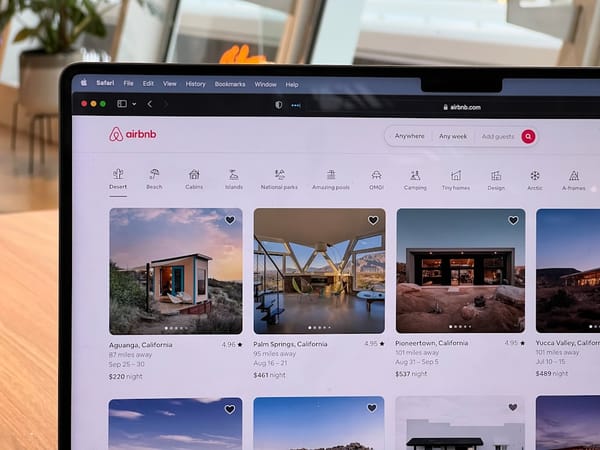
The Economics of Short-Term Rentals vs. Hotels Most consumers are familiar with the popular short-term rental apps Airbnb and Vrbo. What caused their rapid rise in the vacation market? Why has that market cooled in recent years, swinging demand back to hotels?
Data as an Input: Returns to Scale in the Information Economy As firms increase their volume and analysis of consumer data, will they become increasingly efficient at drawing in customers and create natural monopolies in each market? Will smaller firms be able to hold on in our digital analysis age?
The Economics of Remote Work Geography In the short and long run, how will the rise of remote work - spurred by the Covid pandemic in 2020 - affect the geography of economic activity? Although many workers initially moved to small towns, return-to-office mandates are calling some back.
Subscription Creep and the Sunk Cost Fallacy As consumers, we are often susceptible to the sunk cost fallacy that has us continue to invest in bad decisions...despite not being able to recoup the money. Why do we continue to let unused subscriptions drain our wallets?
The Subscription Fatigue Paradox: When Too Many “Small” Payments Hurt Growth How many online subscriptions do you have? Does it exhaust you to try to budget them all? You're not alone: subscription fatigue is growing more common as consumers struggle to conceptualize their spending. How can sellers reduce this strain to their advantage?
Carbon Offsets and the Market for Guilt Reduction For years, polluting firms have been able to purchase carbon offsets, also known as carbon credits, to reduce their carbon footprint and say they are not contributing to global warming. Is this actually the case?
The Streaming Royalty Puzzle: Who Gets Paid and Why Artists create amazing songs, books, paintings, television shows, and movies. When copies of these original creations are paid for by millions of customers, how are these artists compensated? Is it a fair system?
The Rise of Pay-to-Verify: Monetizing Digital Identity With threats from hackers and scammers increasing online, many consumers and businesses are willing to pay for identity verification and identity protection services. What is the market for these services?
The Economics of Generative AI in Creative Industries Many people fear an upcoming "AI unemployment apocalypse", especially content creators like artists, writers, and journalists. What are the economic forces behind companies using AI to generate content, and what might be done to protect workers?
Dark Patterns and Consumer Choice Architecture Online, sellers can use various web design practices, known as dark patterns, to influence or manipulate us into spending more money than we planned. What are the economic effects of this controversial practice?
The Economics of Subscription Bundling Wars Consumers today often have the option to purchase bundles of digital services at a lower total cost than buying each separate service individually. Is this a good deal for producers, consumers, both, or neither?
Surge Pricing in the Age of AI: Fairness or Exploitation? Some people fear that one of the many changes coming with AI is rampant price discrimination, where algorithms analyze each consumer and charge him or her the maximum price that he or she would be willing to pay. What could happen to society?
The Gig Worker’s Dilemma: Flexibility vs. Stability Many people find the idea of working whatever hours they choose to be appealing. Essentially, they get to be their own boss! However, unwary workers may quickly discover some disadvantages of being part of the gig economy. Why might they struggle?