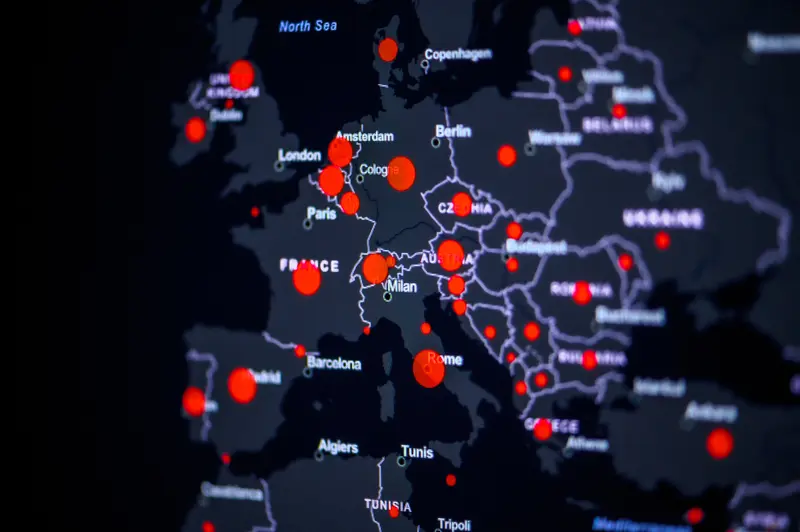
EU Monetary Policy Changes During Covid-19 Pandemic
As soon as it saw that the COVID-19 pandemic would take a toll on the world’s economy and impact millions of people, the European Union took strategic steps to cushion its citizens from the consequences of the world-shaking virus. Its measures focused primarily on changing monetary policy. By implementing these changes, the EU became a perfect model for the rest of the world. Its bold response demonstrated great resolve and strengthened the global position of Europe.
Here are the ABCs of the EU’s COVID-19 policy changes.
EU’s Policy Changes Prepared Businesses to Face the Covid-19 Pandemic
The European Central Bank wasted no time in its response. In March 2020, it launched a massive €750 billion kitty called the Pandemic Emergency Purchase Programme. Essentially, this was a special monetary package set aside to counter the risks the pandemic posed to liquidity. After merely two months, the EU upgraded this fund to contain a whopping €1.35 trillion.
Soon, the EU engineered another crisis response strategy that involved its entire membership. As a result, the European Investment Bank (EIB), the European Stability Mechanism (ESM), and the European Commission (EC) all accepted the EU’s proposal to contribute €540 billion. These organisations are also taking their own steps to support the welfare of the Union during this time.
- European Commission: the SURE initiative will loan states up to €100 billion to fund urgent public expenditures.
- European Investment Bank: the €25 billion Guarantee Fund will support businesses, digital technologies, investments in innovation, and climate-change oriented projects.
- European Stability Mechanism: every state in the EU will be eligible for a loan of up to €240 billion. This money will go towards covering health-related costs.
The EU planned to use the new €540 billion kitty to help the people, countries, and businesses in Europe. It will give companies liquidity support, fund the development of vaccines and treatments, and finance employment. The EU will also care for direct and indirect costs in healthcare as related to the pandemic.
Furthermore, the EU encourages countries to initiate recovery steps. In response, many governments put measures in place to support vulnerable households, individuals, and businesses. Ultimately, the EU offers the necessary flexibility in the application of fiscal policies and state aid conditions.
The EU Pushed for a Historic €750 billion Fund to Rescue Vulnerable Citizens
The EU took bolder steps to jumpstart economies and ensure the Union would come out of the pandemic stronger. With encouragement from the EU, the French President Emmanuel Macron and German Chancellor Angela Merkel proposed a €500 billion special fund.
The fund, which is separate from each European country’s own financial response, is known as the European Fiscal Response. After some 90 hours of intense negotiation, the European Commission increased the figure to €750 billion. In a historic move, the EU Heads of State set aside €360 billion in loans and €390 billion in grants.
Why was this EU-initiated plan historic? For the first time, the EU was set to issue a bigger common date on capital markets. The Commission expects members to service these debts by 2058. It also means that safe European assets will be brought together with the ESM and EIB. The overall figure runs to a staggering €2 trillion!
The EU further pushed its members to move towards a common fiscal response whenever a crisis occurs. In principle, the EU favoured this strategy to strengthen Europe’s global position. This deal dramatically demonstrated the genuine solidarity existing among EU member states. With such measures, money would essentially flow from the wealthier European countries to the lower-income regions.
The EU’s Fiscal Strategies and “Green Deal” Guarantees a Sustainable Future
Along with initiating immediate changes in broader fiscal policies, the European Union also secured its place as a global driver of economic sustainability and green technologies. Certainly, the Green Deal embodies Europe’s newest growth strategy.
Under the Green Deal initiative, the EU aims to unlock the potential of capital markets to attain the set climate goals. All EU-supported investments linked to the budget and recovery package must be fully aligned to its objectives: support a climate-neutral economy. The EU Sustainable Finance Strategy also ensures that the powers that be channel private capital to investments that are guaranteed to be environmentally friendly.
There’s no doubt that this crucial EU policy initiative will trigger a significant change in the private sector’s investor mindset. Fortunately, with the Euro currently reigning as a world-leading currency on green finance matters, Europe’s pivotal position is guaranteed.
Revamped Fiscal Measures Help the World’s Poor Access €7.4 Billion Aid
As noted earlier, the European Union’s changes ensure that Europe occupies a coveted position as a genuine global role model. Moreover, the measures guaranteed that, despite the coronavirus pandemic, the European member states continue to uphold multilateralism — an alliance between each other. In this state, the European community was prepared to seek solutions and demonstrate solidarity with the vulnerable portion of the population.
Europe took steps to support and protect its poorer nations in their fight against the COVID-19 pandemic. EU member states quickly collected an impressive €7.4 billion. The target nations would use the money to help citizens access potential vaccines and urgent treatment.
Ultimately, the EU fiscal strategies in the wake of the COVID-19 pandemic scored a rare hat-trick.
EU Fiscal Policy Changes Encouraged States to Cushion Banks
The EU was similarly instrumental in encouraging individual states to take extra steps in dealing with the coronavirus’s effects on their economies. In response, the UK government initiated rare, hitherto unknown, programs.
The government implemented bold measures to support self-employed people. For example, in Belgium, self-employed persons can temporarily opt-out of social security contributions, apply for tax deferrals, and will be granted replacement income. It offered wage payments and gave grants to businesses. It also gave guarantees to commercial banks. These involved amounts that had never been seen previously in the UK.
And the authorities acted to cushion the banks from the effects of emergency business loans that people were unlikely to repay in time. Thus, many EU states were confident that the banks would have a better chance to survive the lockdowns and other containment measures for the pandemic.
Final Thoughts
In response to the COVID-19 pandemic, the European Union has done much to embrace appropriate monetary and fiscal policies that protect vulnerable member states. It has become the global model in demonstrating how the world can successfully manage pandemic dynamics. In the process, millions of EU citizens are enjoying benefits and security. These include access to loans, grants, and healthcare. Should any country need to restructure their policies, the EU provides a great example of a successful model.